
Natural Outdoor Recovery: How Nature Helps Your Body and Mind Reset
- VitaHolics

- 1 day ago
- 9 min read
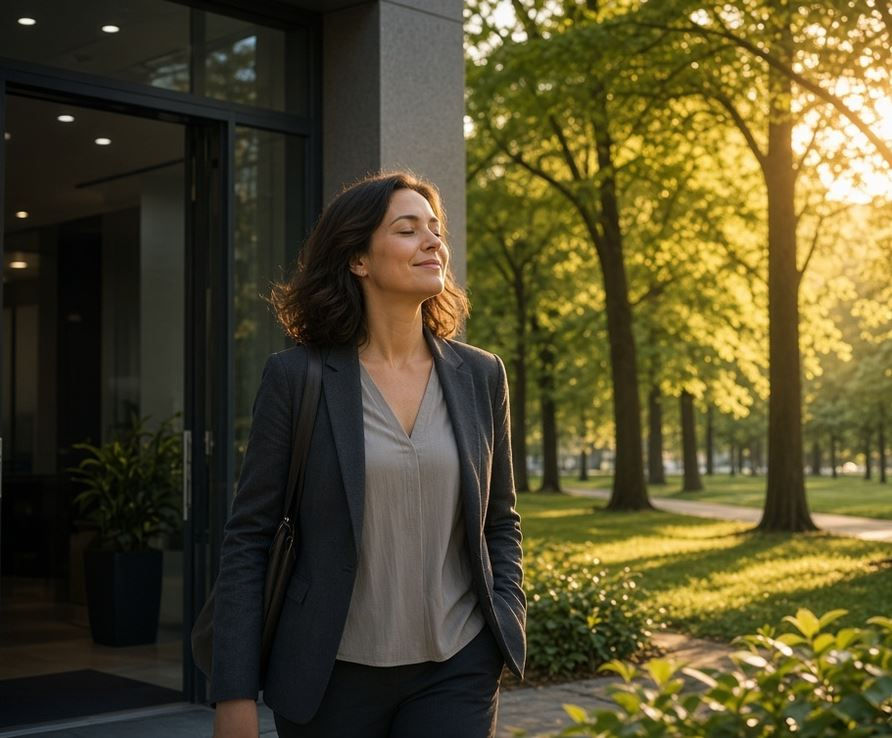
Recovery doesn't have to feel like another job.
Somewhere along the way, we've turned recovery into a complicated science of gadgets, scores, protocols, supplements, and carefully timed routines. There is nothing wrong with using useful tools. But sometimes the pursuit of better recovery becomes its own source of pressure.
There is another option.
Go outside.
A quiet walk through a park. An easy stroll after training. Sitting beneath a tree for twenty minutes. Leaving the phone in your pocket and letting your attention wander toward the sounds, light, air, and movement around you.
None of these experiences needs to be dramatic to be valuable.
Natural outdoor recovery is about creating the conditions for your body and mind to slow down.
It isn't a miracle cure. It isn't a replacement for sleep or appropriate medical care. And it doesn't require an elaborate protocol.
It is simply a way of using your environment to make recovery feel more natural.
What Is Natural Outdoor Recovery?
Natural outdoor recovery means deliberately using outdoor environments and gentle activities as part of a broader recovery routine.
That might look like:
Walking at an easy pace
Sitting quietly outdoors
Spending time in a park or garden
Taking a gentle hike
Doing light mobility outside
Practicing relaxed breathing outdoors
Leaving your phone alone while you walk
Simply noticing what is happening around you
The important word is deliberately.
You can technically be outside while answering emails, taking work calls, checking notifications, and rushing from one place to another.
That isn't necessarily recovery.
The purpose of an outdoor recovery session is different.
You're not chasing speed.
You're not trying to burn a certain number of calories.
You're not attempting to beat yesterday's walking record.
You're creating a period where the demand to perform can temporarily disappear.
Recovery Doesn't Always Mean Doing Nothing
Rest and movement aren't necessarily opposites.
After some types of exercise, gentle movement can feel better than immediately becoming completely sedentary. After a long day of mental work, an easy walk can create a physical transition away from the desk.
But context matters.
If your body is genuinely exhausted, you're injured, you're ill, or you're dealing with significant pain, pushing yourself outside for another activity may be the wrong approach.
Recovery should restore.
It shouldn't become another challenge to overcome.
Your Environment Can Become Part of Recovery
Think about the places where you normally spend your day.
Your desk might represent work.
Your kitchen represents chores.
Your phone represents messages and notifications.
Your bedroom may be associated with sleep.
Stepping outside changes the setting.
You haven't solved every problem waiting for you inside.
But you've temporarily stepped away from the cues associated with them.
That physical separation can make an outdoor walk useful as a transition between different parts of your day.
Why Getting Outside Can Feel So Different
Modern life asks for attention almost constantly.
A notification appears.
An email arrives.
A message needs a response.
A screen offers another piece of information.
Even when you're sitting still, your mind may be working hard.
Going outdoors can interrupt that pattern.
Less Digital Stimulation
One of the simplest outdoor recovery practices is to stop consuming information for a while.
Put the phone away.
No scrolling.
No checking email every three minutes.
No need to document the walk.
Just walk.
At first, the absence of stimulation can feel strangely uncomfortable. We're accustomed to filling every empty moment.
But that emptiness is part of what makes the experience different.
You aren't asking your attention to process another stream of information.
You're giving it room.
A Change of Psychological Context
An outdoor walk can become a boundary.
Imagine finishing work and immediately moving into household tasks, social media, messages, television, and tomorrow's planning.
There is no clear separation.
Now imagine finishing work and walking outside for twenty minutes.
You haven't changed your responsibilities.
You've changed the transition.
That small ritual can become a psychological signal:
Work is finished. Now I can shift gears.
The same idea can work after exercise.
Training ends.
You walk slowly.
Your breathing settles.
Your body cools down.
The intense part of the day is over.
Nature Gives Your Attention Something Different
Outdoor environments contain constant but gentle variation.
Leaves move.
Clouds change.
Water reflects light.
Birds appear and disappear.
Wind changes temperature against your skin.
The ground changes beneath your feet.
You don't have to force yourself to meditate on these things.
Simply noticing them can be enough to create a different attentional experience from staring at a screen.
The Four Ingredients of a Simple Outdoor Recovery Session
You don't need a complicated protocol.
Start with four things.
1. Gentle Movement
If walking feels appropriate, walk slowly.
The goal isn't to train.
Let your pace be comfortable enough that you aren't thinking about performance.
There should be no need to chase distance, speed, or elevation.
The moment the walk starts feeling like another workout, you've probably changed the purpose.
2. Comfortable Breathing
Pay attention to your breathing without trying to force it.
Notice whether you're carrying tension in your shoulders, jaw, or hands.
Let your body gradually settle.
You don't need an elaborate breathing technique.
The emphasis is simply on slowing down enough to notice what is happening.
3. Natural Light and Outdoor Air
Outdoor conditions provide something an indoor room can't completely reproduce.
Light changes throughout the day.
Air moves.
Temperature shifts.
Weather varies.
You don't need extreme exposure to any of these things.
Comfort still matters.
Dress appropriately. Avoid unsafe weather. Protect yourself from excessive sun exposure and other environmental risks.
Recovery isn't a toughness competition.
4. Quiet Observation
This may be the simplest part.
Look.
Listen.
Notice.
Let your attention move toward the world around you rather than toward another screen.
You don't need to label the experience as meditation.
You're simply allowing yourself to be somewhere without constantly consuming or producing information.
Natural Outdoor Recovery After Exercise
Outdoor recovery can fit particularly well into the period after physical activity.
But there is an important distinction between active recovery and simply exercising again.
When Gentle Movement Makes Sense
A relaxed walk can be a useful way to transition out of a workout.
You can choose a flat or comfortable route.
Keep the pace easy.
Let the session feel almost effortless.
The objective is not to accumulate more training volume.
It is to finish feeling like you've gradually come down from the demands of exercise.
Don't Turn Recovery Into Another Workout
This happens easily.
You start with an easy walk.
Then you notice a hill.
You speed up.
You check your pace.
You decide to extend the route.
Suddenly the recovery session has become training.
If that's what you wanted, fine.
But it isn't really the same thing anymore.
A genuine recovery session should have permission to be slow.
Know When Not to Move
There are days when your body is telling you something different.
Significant pain, injury, illness, unusual weakness, or severe exhaustion are not invitations to “push through.”
Sometimes the smartest recovery strategy is rest.
Outdoor recovery is a tool, not a rule.
Outdoor Recovery for Stress and Mental Fatigue
Not all fatigue comes from physical effort.
You can spend most of a day sitting in a chair and still feel completely drained.
The body may not have done much.
The mind has.
Use the Walk as a Digital Boundary
Try walking without headphones occasionally.
Don't answer messages.
Don't listen to another productivity podcast.
Don't turn the walk into an opportunity to squeeze more information into the day.
Just walk.
There may be an odd moment when you reach for your phone automatically.
That's useful information.
It tells you how deeply the habit is embedded.
Put it back in your pocket.
Keep walking.
Create an After-Work Transition
A short outdoor walk can become a simple ritual between work and home life.
Finish work.
Change clothes if you want.
Go outside.
Walk.
Return.
Over time, that sequence can become a recognizable boundary.
You're no longer carrying the entire emotional atmosphere of the workday directly into the evening.
Give Your Attention Somewhere Else to Go
Mental fatigue often comes with repetitive thinking.
The same problem gets replayed.
The same conversation gets analyzed.
The same unfinished task keeps returning.
Being outdoors doesn't guarantee that those thoughts disappear.
But the environment gives your attention something else to engage with.
A path.
A tree.
The sound of wind.
The temperature.
Your footsteps.
Sometimes the mind doesn't need another solution.
It needs a change of context.
Build an Outdoor Recovery Routine That Fits Your Life
Don't begin with an ambitious two-hour nature ritual.
Start with something almost impossible to talk yourself out of.
The 10-Minute Reset
When your schedule is packed:
Leave the building.
Put your phone away.
Walk comfortably.
Look around.
Let your breathing settle.
Return.
That's it.
Ten minutes can create a meaningful pause without requiring you to reorganize your day.
The 30-Minute Reset
When you have more time, choose a pleasant route.
A park.
A quiet neighborhood.
A waterfront.
A garden.
A trail.
Walk slowly enough that you don't feel rushed.
Let part of the walk be completely free of audio and information.
You may discover that the silence feels uncomfortable at first.
Then, gradually, it becomes the best part.
The Weekend Reset
A longer outdoor session can become a weekly ritual.
You might visit a trail, beach, forest, park, or botanical garden.
The goal isn't to conquer the route.
It's to spend meaningful time away from the indoor environment that dominates most of the week.
Let the pace be dictated by recovery rather than achievement.
The Mistakes That Quietly Ruin Outdoor Recovery
Measuring Everything
Technology can be useful.
But sometimes you need to stop measuring.
If you're watching pace, heart rate, distance, calories, elevation, and recovery scores throughout a supposedly restorative walk, you've introduced another layer of performance pressure.
Try occasionally leaving the metrics behind.
Instead, use one simple question:
Do I feel better now than I did when I left?
Going Too Hard
If you finish the session feeling more depleted than when you started, something has gone wrong.
Slow down.
Shorten the route.
Choose flatter terrain.
Or stop entirely.
Expecting Nature to Fix Everything
A walk outdoors can be restorative.
It can't repair chronic sleep deprivation by itself.
It can't replace appropriate treatment for an injury.
It can't magically resolve severe burnout, illness, or persistent unexplained fatigue.
Nature is part of the toolkit.
It isn't the entire toolkit.
Match the Outdoor Session to What You Need
Your recovery strategy should reflect your current state.
Physically Tired?
Choose easy movement or simply sit somewhere comfortable.
Mentally Overloaded?
Find somewhere quiet and reduce digital stimulation.
Stressed After Work?
Use the walk as a transition between professional and personal life.
Restless?
Gentle movement may feel better than forcing yourself to sit still.
Completely Exhausted?
Don't turn recovery into an obligation.
Rest.
Listen to your body.
What Outdoor Recovery Can't Replace
There are limits to every lifestyle strategy.
Persistent exhaustion deserves investigation.
Significant pain deserves appropriate attention.
An injury needs suitable management.
Ongoing sleep problems may require professional assessment.
And concerning changes in physical or neurological function shouldn't be dismissed as something that can be solved by spending more time in nature.
The intelligent approach is not to choose between lifestyle habits and professional care.
Use healthy outdoor routines where they make sense, and seek appropriate help when the situation calls for it.
Questions People Ask About Natural Outdoor Recovery
Is walking good for recovery?
Gentle walking can be a useful form of low-intensity movement for many people. Whether it is appropriate depends on the type and severity of fatigue, exercise performed, injury status, and overall health.
How long should an outdoor recovery session be?
There is no single ideal duration. A short ten-minute walk can create a useful transition, while twenty to thirty minutes may provide more time to settle into the experience. Longer sessions can also work when they remain genuinely restorative.
Is nature useful for stress recovery?
Spending time outdoors can be incorporated into a broader stress-management routine. The experience may be particularly useful when it creates distance from screens, work demands, and constant digital stimulation.
Should I listen to music while walking?
You can, but consider occasionally walking without headphones. Removing audio gives you an opportunity to notice your environment and experience a genuine break from continuous information.
Is outdoor recovery useful after exercise?
Gentle outdoor movement can be incorporated into active recovery for some people. The important factor is intensity. If the activity becomes another demanding workout, it is no longer serving the same recovery purpose.
Can outdoor recovery replace sleep?
No.
An outdoor walk may help you relax, but it cannot substitute for adequate sleep.
That distinction should remain clear.
Products / Tools / Resources
The most useful outdoor recovery resources are often surprisingly simple.
A comfortable pair of walking shoes can remove one barrier to getting outside. Weather-appropriate clothing can make outdoor time more practical throughout the year. A simple water bottle can help you stay comfortable on longer walks.
You may also find value in a basic journal for recording how different environments and routines affect your energy and mood.
Technology can have a role too, but use it selectively. A fitness tracker can be useful when you're intentionally monitoring training, while leaving it behind occasionally may be even more useful when your objective is simply to disconnect.
The best resource, however, may be the one that costs nothing:
a place outdoors where you genuinely enjoy slowing down.
A quiet park. A familiar trail. A stretch of coastline. A garden. A tree-lined street.
You don't need an expensive recovery system.
Sometimes you need a place where nobody is asking you to perform.
And then you need to permit yourself to stay there for a while.


