
Muscadine Grape Supplements: Benefits and What the Research Says

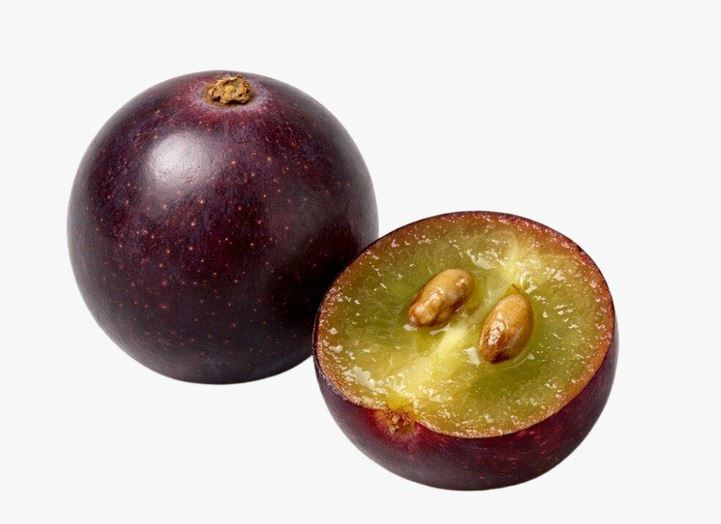
Muscadine grape supplements have become an interesting option for people exploring plant-based wellness products. Made from muscadine grape skins, seeds, or other parts, these supplements contain naturally occurring compounds that researchers are studying for their potential health effects.
But before adding one to your routine, it helps to separate what scientists have discovered from what supplement marketing sometimes suggests.
Muscadine grapes are known for their thick skins, distinctive seeds, and unique mix of plant compounds. Some of these compounds belong to a group called polyphenols, which have attracted scientific interest because of their antioxidant activity and possible effects on biological processes.
That makes muscadine grape supplements worth understanding. It does not mean that every product delivers the same benefits—or that taking one has been proven to prevent disease.
This guide looks at what these supplements contain, what research has found so far, and how to evaluate a product responsibly.
What Are Muscadine Grape Supplements?
Muscadine grapes are a distinctive grape species native to the southeastern United States. They are commonly identified by the botanical name Vitis rotundifolia.
Unlike many familiar table grapes, muscadines have thick skins and relatively large seeds. These parts contain plant compounds that researchers are investigating for their potential biological effects.
Muscadine grape supplements are available in several forms. Some use grape skin extract, others focus on the seeds, and some contain dried or concentrated material from several parts of the fruit.
Common formulations include:
Skin extracts: Made using compounds found in the grape's outer skin.
Seed extracts: Focused on seed-derived substances, including certain polyphenols.
Whole-grape powders: Made from dried grape material.
Concentrated extracts: Prepared using a manufacturing process intended to concentrate selected compounds.
Combination formulas: Muscadine ingredients blended with other botanical ingredients.
These products are not necessarily equivalent. The part of the grape used, the extraction process, and the final concentration can all affect what ends up in the supplement.
That is why reading the full ingredient label is more useful than relying on the product name alone.
Why Are Muscadine Grapes Studied?
One reason muscadine grapes attract attention is their mixture of polyphenols. These are plant compounds found in many fruits, vegetables, seeds, and other foods.
Depending on the variety and formulation, muscadine products may contain substances such as ellagic acid, gallic acid, catechins, and procyanidins.
Researchers investigate these compounds because some show antioxidant activity in laboratory settings. Other studies explore how they interact with processes involved in cellular function and oxidative stress.
There is an important distinction, though: a substance demonstrating antioxidant activity in a laboratory does not automatically produce a noticeable health benefit when a person takes it as a supplement.
The body is complex. Digestion, absorption, metabolism, the amount consumed, and the specific formulation all influence what happens after a compound is ingested.
Researchers have also found that commercial muscadine grape supplements can differ substantially in their phenolic composition. In other words, two products made from the same type of grape may not contain identical mixtures of compounds.
That variability makes product quality and research specific to the formulation especially important.
Potential Benefits of Muscadine Grape Supplements
The potential benefits of muscadine grape supplements are an active area of interest, but the strength of the evidence varies. Some findings come from laboratory experiments, while others come from small human studies.
Here are the main areas worth understanding.
Antioxidant Activity
Antioxidant activity is one of the most frequently discussed features of muscadine grape supplements.
The body naturally produces reactive molecules during normal biological processes. It also has its own defenses to help regulate them. Oxidative stress can occur when the balance between reactive molecules and the body's defenses is disrupted.
Certain muscadine grape polyphenols demonstrate antioxidant activity under experimental conditions. Researchers are studying whether these substances might influence oxidative processes in living systems.
However, an antioxidant measurement alone cannot tell us whether a supplement prevents illness, improves longevity, or meaningfully changes a person's health.
The evidence supports interest in muscadine grape compounds, but it does not justify assuming that taking a concentrated extract will deliver a specific health outcome.
Cardiovascular Health
Muscadine grape seed supplements have been studied for possible effects on blood vessel function and cardiovascular-related markers.
In one small randomized crossover trial, 50 adults with coronary disease or at least one cardiovascular risk factor received a muscadine grape seed supplement and a placebo during separate study periods.
The supplement did not significantly improve the trial's main measure of blood vessel function. Most of the other measured markers also showed no significant improvement compared with placebo. Researchers did observe a change in resting blood vessel diameter, but the clinical importance of that finding was uncertain.
This is a useful reminder that a promising biological observation is not the same as proof of better cardiovascular outcomes.
Muscadine grape supplements have not been established as a way to prevent heart attacks, treat heart disease, or replace prescribed treatment. People concerned about cardiovascular health should continue to prioritize medical guidance and established preventive measures.
Inflammation-Related Research
Another area of interest is how grape-derived compounds interact with pathways associated with inflammation.
Inflammation is a normal part of the body's response to injury and infection. Researchers also study processes that may contribute to persistent inflammation in certain health conditions.
Some laboratory experiments suggest that particular grape-derived compounds can influence inflammation-related pathways. However, this does not establish that muscadine grape supplements reliably reduce chronic inflammation in people.
The formulation matters, too. Results from one extract cannot automatically be applied to every product on the market.
If you have an inflammatory condition, do not use a supplement as a replacement for prescribed treatment. Discuss the exact product with a healthcare professional before using it for a medical purpose.
Cellular Health and Healthy Aging
Polyphenols are being studied for their possible effects on cellular signaling and the body's response to oxidative stress.
These topics are relevant to aging research, but supplement claims can go far beyond what the evidence demonstrates.
A compound affecting a cellular pathway in an experiment does not prove that it slows human aging, reverses cellular damage, or extends lifespan.
At present, there is not enough evidence to make those claims for muscadine grape supplements. Everyday habits—including physical activity, sufficient sleep, a varied diet, and avoiding tobacco—remain more established priorities for long-term health.
Other Health Applications
Muscadine grape skin extract has also been studied in clinical research involving men with prostate cancer.
This research should not be interpreted as evidence that muscadine supplements treat or prevent cancer. A randomized trial did not find a significant improvement in its primary outcome, and a later trial focused on a selected genetic subgroup was also stopped after an interim analysis found no meaningful difference in its primary outcome.
These findings demonstrate why early laboratory results need confirmation in rigorous human trials.
Anyone undergoing cancer treatment should discuss supplements with their oncology team before taking them. A natural ingredient can still have uncertain interactions or affect a treatment plan.
Muscadine Grape Skin Extract vs. Seed Extract
Choosing between skin, seed, and whole-grape formulations starts with understanding that each can have a different composition.
Skin extract focuses on compounds found in the outer layer of the fruit. Seed extract uses seed-derived material, while whole-grape powder may include several parts of the grape.
A concentrated extract may contain more of certain compounds per gram than a less concentrated preparation, but that does not automatically make it more effective or appropriate.
There is no universally best form for every person. Look at the actual ingredients, the manufacturer's quality information, and the evidence supporting the specific formulation.
Be particularly careful when an advertisement treats research on one type of grape extract as proof that every muscadine product works in the same way.
How to Choose a Muscadine Grape Supplement
If you decide to consider a supplement, start with the label rather than the marketing claims.
Check the Ingredients
Look for the specific grape material used, the amount per serving, the serving size, and any additional active ingredients.
A label that lists only a vague “muscadine blend” may not provide enough information to assess what the product contains.
Look for Meaningful Quality Information
Some products list total polyphenol content or identify selected compounds. This information may help describe the formulation, but it is not proof of a health benefit.
A higher number does not necessarily mean better results. The types of compounds present, their concentrations, and the quality of the evidence all matter.
Consider Independent Testing
Credible independent testing may help assess a supplement's identity, composition, or selected contaminants.
Check what the testing actually covers. Quality testing can provide useful reassurance about certain product characteristics, but it cannot prove that the supplement prevents disease or delivers every advertised benefit.
Evaluate the Manufacturer
Look for clear ingredient information, accessible manufacturer details, and an explanation of quality-control practices.
Be cautious when a product relies on dramatic testimonials, makes sweeping promises, or claims to address many unrelated conditions.
Watch for Overstated Claims
Claims that muscadine grape supplements reverse aging, detoxify the body, guarantee heart protection, or cure disease should raise concerns.
Scientific terminology can sound persuasive without providing strong evidence. The key question is whether a specific finished product has been tested in good-quality human studies for the outcome being advertised.
Safety and Possible Side Effects
Plant-derived does not automatically mean risk-free.
The safety of a muscadine grape supplement depends on its formulation, amount, other ingredients, and the person taking it.
Some people may experience digestive discomfort or changes in bowel habits. Allergies, sensitivities, and reactions to added ingredients are also possible.
Speak with a healthcare professional or pharmacist before using a supplement if you take prescription medicines, have a chronic health condition, or plan to take the product regularly. Seek advice before use during pregnancy or breastfeeding, when reliable safety information may be limited.
If you are preparing for surgery or another medical procedure, tell your healthcare team about the supplements you take and follow their advice.
Evidence about one specific extract does not establish the safety of every product sold under the muscadine grape name. Small, short-term studies also cannot answer every question about long-term use.
How Should You Use Muscadine Grape Supplements?
There is no universally established dose proven to deliver general wellness benefits for healthy adults.
Amounts used in research apply to specific products and study conditions. They should not be treated as personalized recommendations or copied directly for a different supplement.
If you and your healthcare professional decide that a product is appropriate, read the label, follow the recommended directions unless advised otherwise, and avoid combining several products with overlapping ingredients without checking their total intake.
Pay attention to unwanted effects and reassess whether continued use makes sense. Taking more does not guarantee better results, and the safety of higher amounts may not be established.
You can also enjoy muscadine grapes as food when available. Whole fruit and concentrated extracts are different, but fruit can form part of a varied dietary pattern without requiring you to rely on supplement claims.
Frequently Asked Questions
What are muscadine grape supplements used for?
They are commonly marketed for general wellness because they contain plant compounds, including polyphenols. Research is exploring their biological effects, but evidence for many specific health benefits remains limited.
Are muscadine grape supplements proven to work?
Not for most of the broad benefits promoted in advertising. Laboratory findings are interesting, but human studies have not consistently demonstrated meaningful improvements in major health outcomes.
Which is better: muscadine grape skin or seed extract?
There is no universally superior choice. The products can contain different compounds and concentrations, and the best-supported option depends on the specific formulation and intended use.
Are muscadine grape supplements better than eating the fruit?
Not necessarily. Supplements may concentrate selected compounds, while whole fruit is consumed as part of a normal diet. There is insufficient evidence to conclude that supplements are generally superior to eating muscadine grapes.
Can these supplements improve heart health?
Research has investigated possible effects on blood vessel function, but a small clinical trial did not demonstrate a significant improvement in its main measure. These supplements should not replace established cardiovascular care.
Can they prevent cancer?
There is no reliable evidence that muscadine grape supplements prevent cancer. Clinical research on muscadine skin extract has not established a significant benefit on the main outcomes studied.
Are they safe to take every day?
That depends on the product, amount, medical history, and other medicines or supplements being used. Long-term safety information is limited for many formulations, so professional advice is sensible if you plan to use one regularly.
What should I look for when buying one?
Look for transparent ingredients, clear amounts, credible quality controls, and realistic claims. Evaluate the actual formulation instead of assuming all muscadine products are equivalent.
Final Thoughts
Muscadine grape supplements contain plant compounds that have attracted legitimate scientific interest. Research into polyphenols, antioxidant activity, and other biological pathways continues to explore what these compounds might do.
Still, promising mechanisms are not the same as proven clinical results. Human evidence remains limited, and studies of a particular extract cannot be generalized to every product sold as a muscadine grape supplement.
If you are considering one, focus on ingredient transparency, quality information, realistic expectations, and advice that takes your health circumstances into account.
The bottom line: Muscadine grape supplements may be interesting to explore, but many of their advertised benefits remain unproven. Treat them as optional products with an evolving evidence base, not as replacements for established healthcare or healthy everyday habits.


