Immuno Surveillance: Your Body's Hidden Defense System Against Disease
- VitaHolics

- 2 days ago
- 4 min read
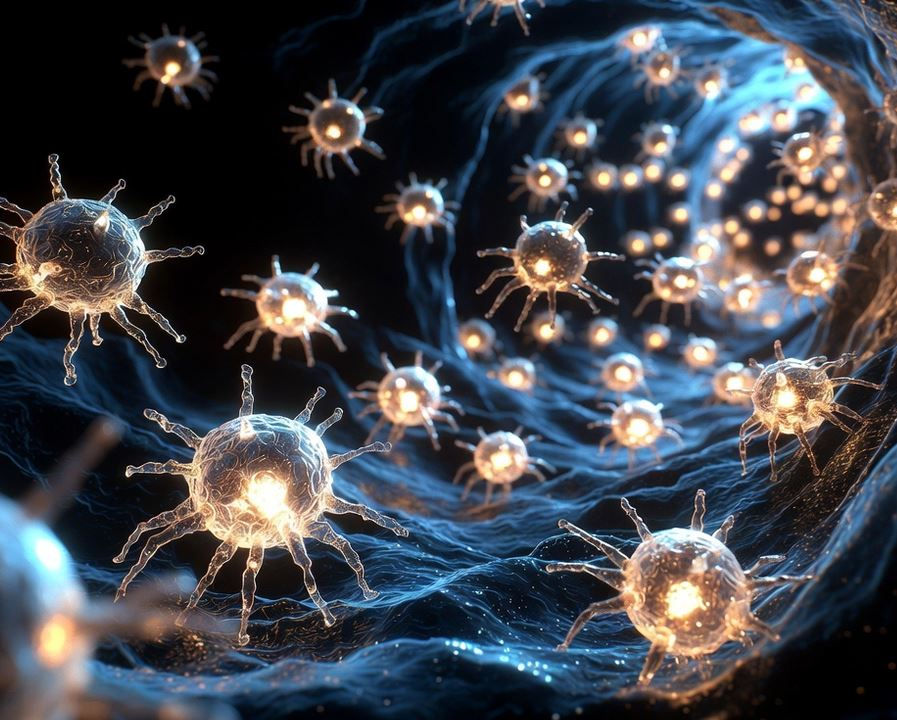
Your immune system is working around the clock—even when you're asleep. Every second, millions of immune cells patrol your body, identifying viruses, bacteria, damaged cells, and abnormal cells before they become a serious problem. This continuous process is known as immuno surveillance, and it's one of the most remarkable protective mechanisms in human biology.
While most people associate the immune system with fighting colds and infections, its responsibilities extend much further. Immuno surveillance plays a vital role in maintaining healthy tissues, supporting recovery, monitoring abnormal cell growth, and contributing to long-term wellness.
Understanding how immuno surveillance works—and the lifestyle factors that influence it—can help you make more informed decisions about your overall health.
What Is Immuno Surveillance?
Immuno surveillance is the immune system's ongoing ability to recognize and eliminate harmful or abnormal cells before they develop into larger health problems.
Think of it as your body's internal security team. Immune cells continuously patrol the bloodstream, organs, and tissues searching for anything that doesn't belong.
These may include:
Viruses
Bacteria
Fungi
Parasites
Damaged cells
Senescent (aging) cells
Cells with DNA mutations
Abnormal or potentially cancerous cells
When functioning optimally, immuno surveillance helps maintain normal tissue health and supports the body's natural repair processes.
How Does Immuno Surveillance Work?
The immune system relies on sophisticated communication between several specialized cell types.
Key components include:
Natural Killer (NK) Cells
Often called the immune system's first responders, NK cells rapidly recognize and destroy abnormal cells without prior exposure.
They play an important role in:
Viral defense
Removing damaged cells
Monitoring abnormal cellular changes
T Cells
T lymphocytes provide highly targeted immune responses.
Different T-cell populations:
Identify infected cells
Coordinate immune responses
Destroy abnormal cells
Create immune memory for future protection
Macrophages
Macrophages remove dead cells, cellular debris, bacteria, and damaged tissue while helping coordinate inflammation and healing.
Dendritic Cells
These cells act as messengers between the innate and adaptive immune systems by presenting foreign material to T cells and triggering a more specific immune response.
Immuno Surveillance and Cancer Prevention
Every day, cells divide billions of times throughout the body. During this process, occasional DNA errors naturally occur.
Fortunately, multiple protective systems exist.
Damaged cells may:
Repair themselves
Undergo programmed cell death (apoptosis)
Be recognized and removed by immune cells
Research has shown that immune surveillance contributes to identifying and eliminating many abnormal cells before they can establish themselves. Cancer development is complex and involves numerous biological factors, so immune surveillance is considered one of several natural defense mechanisms rather than a guarantee of prevention.
Factors That Can Influence Immuno Surveillance
Although the immune system is remarkably resilient, its performance can be affected by everyday lifestyle choices.
Poor Sleep
Deep sleep supports immune cell communication and recovery.
Consistently sleeping fewer than seven hours may negatively affect aspects of immune function over time.
Chronic Stress
Long-term psychological stress increases cortisol production, which may alter immune regulation when persistently elevated.
Managing stress supports overall immune resilience.
Poor Nutrition
Immune cells depend on adequate nutrition to function efficiently.
Important nutrients include:
Vitamin D
Vitamin C
Zinc
Selenium
Iron
Vitamin A
Vitamin B12
Omega-3 fatty acids
Protein
A varied, nutrient-rich diet provides the building blocks immune cells require.
Physical Inactivity
Regular moderate exercise promotes healthy circulation of immune cells throughout the body.
Both inactivity and excessive overtraining may influence immune function differently, making balance important.
Smoking and Excessive Alcohol
Smoking introduces toxins that can impair immune responses, while excessive alcohol intake may disrupt normal immune regulation and increase susceptibility to infections.
The Gut Microbiome and Immune Surveillance
Approximately 70% of immune cells are associated with the gastrointestinal tract.
A healthy gut microbiome supports:
Immune education
Barrier protection
Reduced chronic inflammation
Balanced immune responses
Dietary fibre, fermented foods, regular physical activity, and diverse plant-based foods all contribute to a healthier gut ecosystem.
Biomarkers That Reflect Immune Health
Although there is no single test that measures immuno surveillance directly, healthcare providers may evaluate a combination of laboratory biomarkers to gain insight into immune function.
These may include:
Complete blood count (CBC)
White blood cell differential
C-reactive protein (CRP)
Vitamin D status
Iron studies
Zinc levels
Inflammatory markers
Nutritional biomarkers
Metabolic health indicators
Results should always be interpreted by qualified healthcare professionals within the context of an individual's medical history and symptoms.
Can You Strengthen Immuno Surveillance Naturally?
No supplement or single food can "boost" the immune system in a guaranteed way. Instead, the goal is to support healthy immune function through consistent lifestyle habits.
Evidence-based strategies include:
Prioritising quality sleep
Eating a nutrient-dense diet
Exercising regularly
Maintaining a healthy body weight
Managing stress effectively
Avoiding smoking
Limiting excessive alcohol
Staying up to date with recommended healthcare and vaccinations where appropriate
Managing chronic medical conditions with professional care
Small daily habits often have a greater long-term impact than short-term interventions.
Why Preventive Health Matters
Modern healthcare is increasingly shifting toward prevention rather than reaction.
Understanding biomarkers, nutrition, inflammation, metabolic health, and immune function allows individuals to make informed lifestyle decisions before problems become more significant.
Preventive laboratory assessments, combined with professional medical guidance, can provide valuable insights that support long-term health planning and wellness goals.
Frequently Asked Questions
What is immuno surveillance?
Immuno surveillance is the immune system's continuous process of identifying and removing harmful pathogens, damaged cells, and abnormal cells to help maintain overall health.
Does immuno surveillance prevent cancer?
Immune surveillance contributes to recognizing and eliminating many abnormal cells. However, cancer development is influenced by numerous genetic, environmental, and biological factors, so immune surveillance is one part of a much broader protective system.
Can laboratory tests measure immuno surveillance?
There is no single laboratory test that measures immuno surveillance directly. Healthcare professionals may use a range of biomarkers to assess aspects of immune and inflammatory health.
What weakens immune surveillance?
Poor sleep, chronic stress, nutrient deficiencies, smoking, excessive alcohol intake, uncontrolled chronic disease, and ageing can all influence aspects of immune function.
Can lifestyle improve immune health?
Healthy nutrition, regular physical activity, adequate sleep, stress management, and preventive healthcare all support normal immune function and overall wellbeing.
Products / Tools / Resources
To support overall immune health and wellness, consider these evidence-based resources:
Comprehensive preventive health check-ups
Nutritional blood testing
Vitamin D assessment
Complete blood count (CBC)
C-reactive protein (CRP) testing
Registered dietitian consultations
Sleep tracking devices
Fitness wearables
Healthy meal planning apps
Mindfulness and stress management programs